

Exploring the Different Whale Species You Can Spot in Australia
Australia is renowned for its whale-watching opportunities, thanks to its extensive coastline and seasonal migrations of various whale species. From the acrobatic humpbacks to the elusive blue whales, each encounter offers a glimpse into the magnificent world of marine giants. Here’s a guide to the most common whale species you can spot in Australia and the best places to see them:
Australian Whale Species at a Glance
Short on time? This quick comparison shows where and when to look for each species, and how likely you are to see one.
| Species | Best Place to See | Best Time | Sighting Chance |
|---|---|---|---|
| Humpback Whale | Perth, Hervey Bay, Byron Bay | May to November | Very high |
| Southern Right Whale | Warrnambool, Victor Harbor | June to October | High |
| Blue Whale | Perth Canyon, Geographe Bay, Portland | March to May | Rare |
| Orca | Bremer Bay | January to April | High (on canyon tours) |
| Minke Whale | Great Barrier Reef | June to August | Moderate |
| Sperm Whale | Eaglehawk Neck, Kangaroo Island | November to April | Rare |
| Whale Shark | Ningaloo Reef | March to August | High |
Humpback Whale
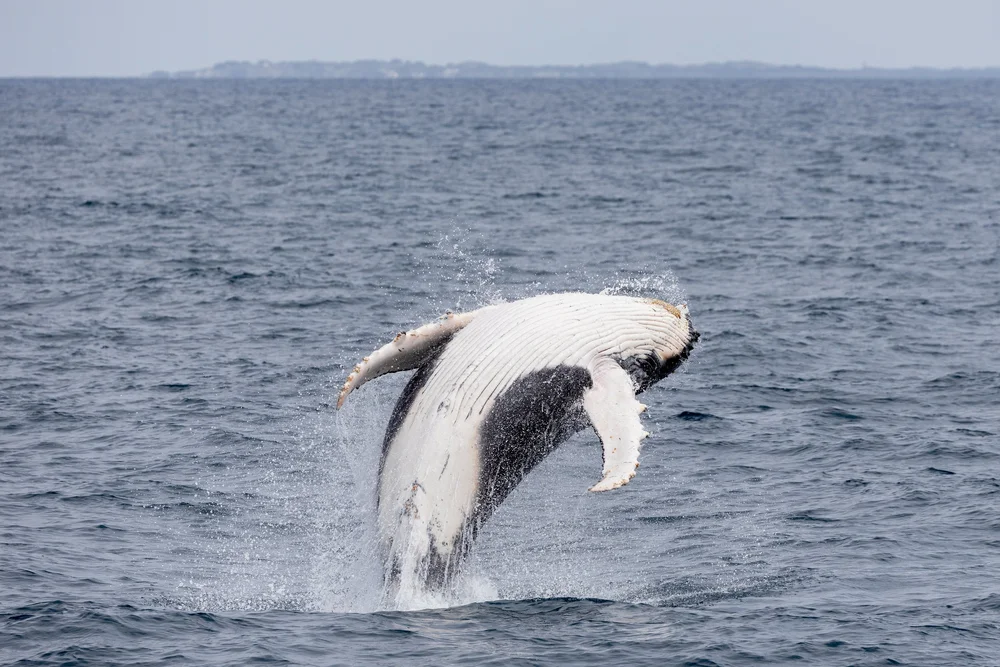
Humpback whales are the most commonly seen whale in Australia
Humpback whales are known for their impressive acrobatic displays and large, distinctive tail flukes. Each year, they migrate from Antarctic waters to the warmer Australian coastlines to breed and give birth. The warm, sheltered waters along the WA coast provide an ideal nursery for newborn calves before they make the long journey south again, offering visitors an opportunity to see mothers and calves close to shore.
Western Australia's 'Humpback Highway' is the largest whale migration in the Southern Hemisphere, with around 40,000 humpbacks travelling the coastline each year. Breaching, tail slapping and pectoral fin waving are all common sights, and the underside of every humpback's tail carries a black and white pattern as unique as a fingerprint, which researchers use to identify individual whales year after year.
Southern Right Whale
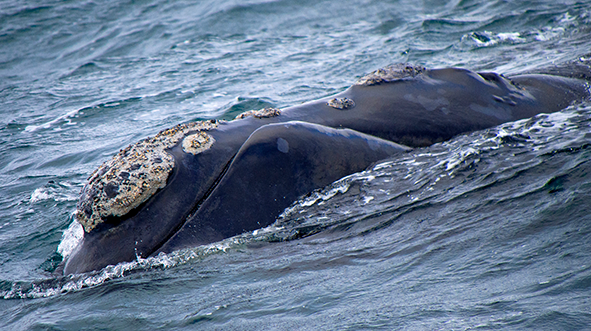
Southern right whales are recognised by the white callosities on their heads
Southern right whales are easily recognised by their callosities (raised, white patches) and distinctive V-shaped blow. These gentle giants migrate to the southern coastlines of Australia, where they seek calm bays and sheltered waters to breed and nurse their young. Known for their slow swimming speed and frequent surface behaviour, they are ideal for shore-based viewing along Australia’s southern coastline, especially around Warrnambool and Victor Harbor.
In Western Australia, southern rights prefer cooler water and take a shorter migration than humpbacks, so they're most often seen along the south coast between Augusta and Esperance. Unlike humpbacks, they have no dorsal fin at all, which makes them easy to tell apart when they surface. Once hunted close to extinction, they're now one of the great recovery stories of Australian waters.
Blue Whale
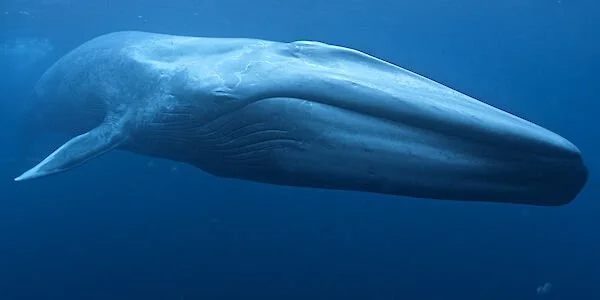
The blue whale is the largest animal ever known to have lived
The blue whale, the largest animal on Earth, can occasionally be spotted in Australia’s waters, although sightings are rare and awe-inspiring. These gentle giants can reach lengths of up to 30 metres and are known for their striking blue-grey colour. Western Australia’s Geographe Bay is one of the few places in the world where blue whales are sometimes sighted, typically in deep waters as they feed on krill.
Closer to home, the Perth Canyon off Rottnest Island is one of only a handful of known blue whale feeding grounds in Australia. The whales found here are pygmy blue whales, a slightly smaller subspecies, and research shows they start arriving as early as November, with numbers peaking from March to May before most move on by late June.
Orca (Killer Whale)
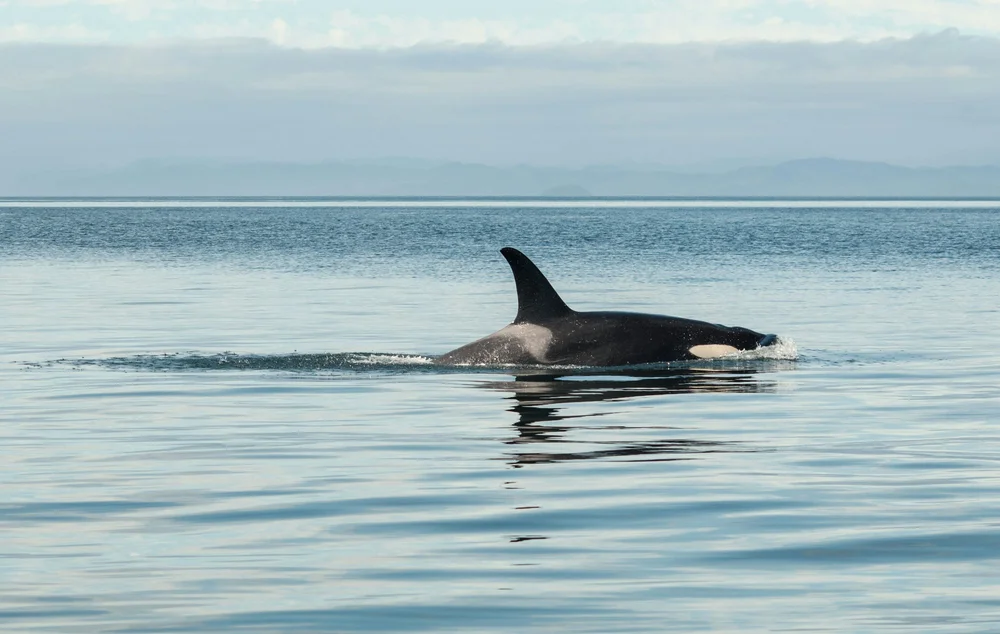
Orcas are the largest members of the dolphin family
Known for their striking black and white colouring and highly social behaviour, orcas are actually the largest members of the dolphin family. Bremer Bay Canyon in Western Australia is one of the world’s few locations where orcas are regularly sighted, often hunting in pods and displaying remarkable intelligence. Their arrival each season draws crowds eager to witness their dynamic group hunting tactics and interactions.
Orcas live in tight family groups led by older females, and each pod has its own hunting style and vocal calls passed down through generations. Adult males are easy to pick out thanks to their towering dorsal fin, which can stand close to two metres tall.
Minke Whale
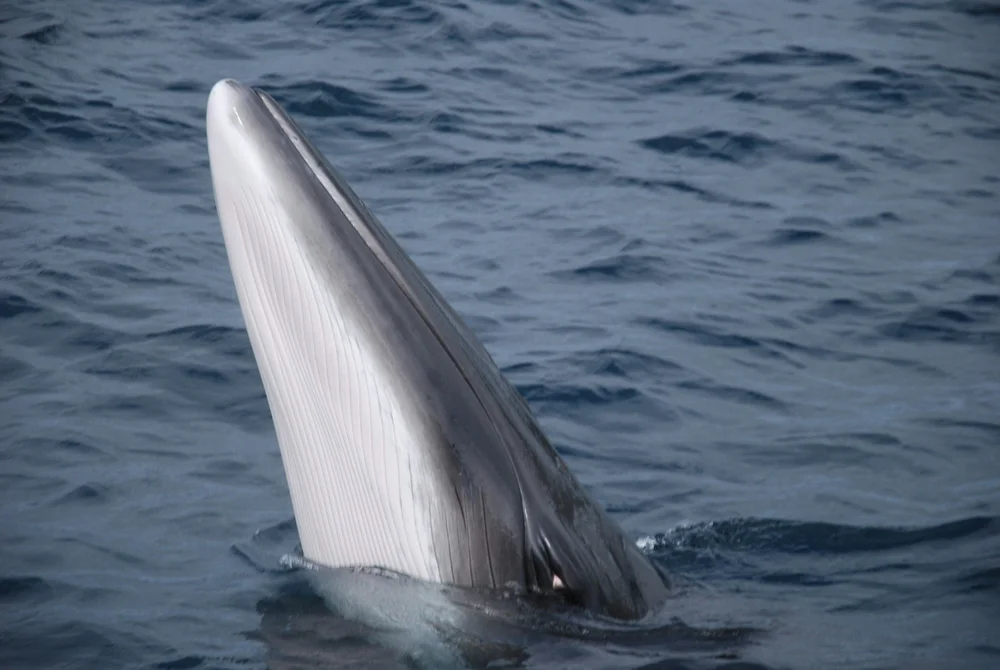
Minke whales are known for their curiosity around boats
Minke whales are smaller and sleeker than most other whale species, known for their curiosity towards boats, making them a favourite among divers and snorkellers. Commonly seen around the Great Barrier Reef, particularly near Ribbon Reefs, these friendly whales often approach boats, offering a unique up-close encounter. Their playful nature and agility make them a joy to observe in the wild.
The minkes seen on the reef are dwarf minke whales, one of the smallest baleen whales in the world. Their blow is low and often hard to see, so the best clue is a white band on each flipper, which flashes brightly underwater.
Sperm Whale
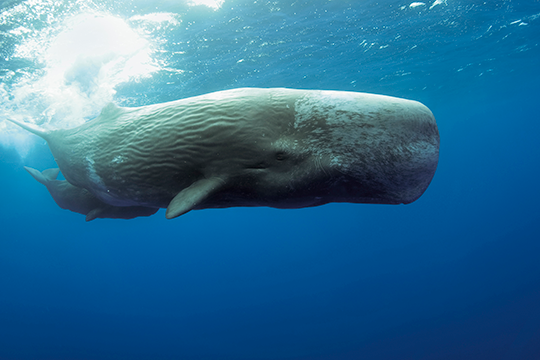
Sperm whales are the largest toothed predators on Earth
Sperm whales are instantly recognisable by their block-shaped heads, which house the largest brain of any animal on Earth. Known for their impressive diving capabilities, they are capable of diving to depths of over 1,000 metres in search of squid. While sightings are rare, they can sometimes be spotted around Tasmania’s Eaglehawk Neck and Kangaroo Island, especially as they surface to breathe between dives.
One of the easiest ways to identify a sperm whale from a distance is its blow. Because the blowhole sits on the front left of its head, the spray shoots forward and off to one side rather than straight up. They're also found in the deep submarine canyons off Western Australia's south coast, including around Bremer Bay.
Whale Shark
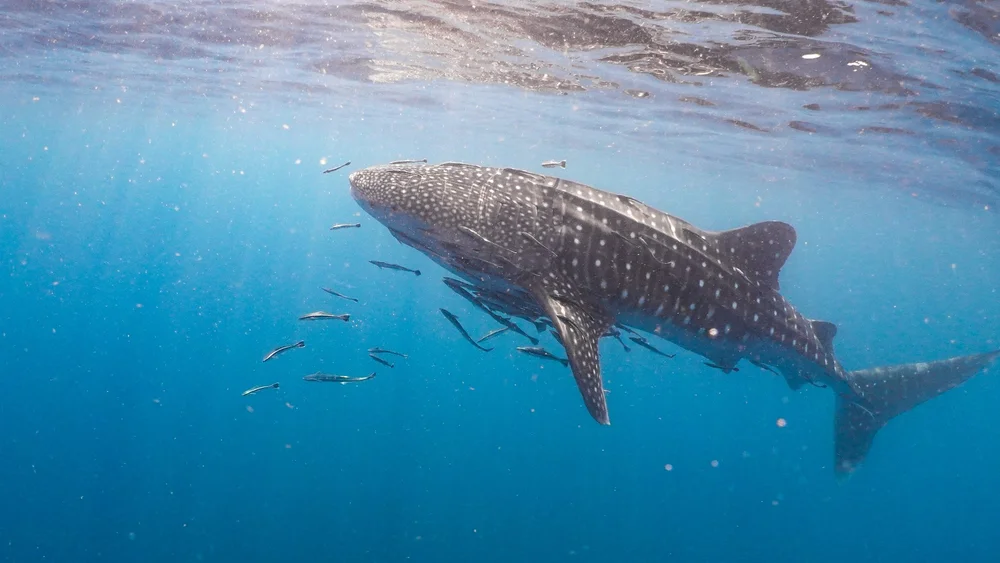
Whale sharks are the largest fish in the ocean
Whale sharks, though not true whales, are gentle giants known for their massive size and filter-feeding habits. Ningaloo Reef in WA is one of the world’s best spots to swim alongside these docile creatures as they migrate to feed on plankton. Their presence near the surface and slow movements make them ideal for snorkellers and divers seeking a close-up experience with one of the ocean’s most iconic species.
As a fish, a whale shark breathes through gills rather than a blowhole, so you'll never see one blow at the surface. Each shark's pattern of white spots and stripes is unique, and researchers use photos of these markings to track individuals returning to Ningaloo year after year.
Whale Watching Calendar for Australia
Different species visit at different times of year, so it's possible to plan a whale encounter almost any month. Use this calendar to match your trip to the species you'd most like to see.
| Species | Jan | Feb | Mar | Apr | May | Jun | Jul | Aug | Sep | Oct | Nov | Dec |
|---|---|---|---|---|---|---|---|---|---|---|---|---|
| Humpback Whale | ||||||||||||
| Southern Right | ||||||||||||
| Blue Whale | ||||||||||||
| Orca | ||||||||||||
| Minke Whale | ||||||||||||
| Sperm Whale | ||||||||||||
| Whale Shark |
Best viewing months Whale Watching Perth tour season
Which Whales Can You See from Perth?
You don't need to travel to the far corners of the country to see whales. Perth sits right on the Humpback Highway, and the waters off the metropolitan coast are visited by several species throughout the year.
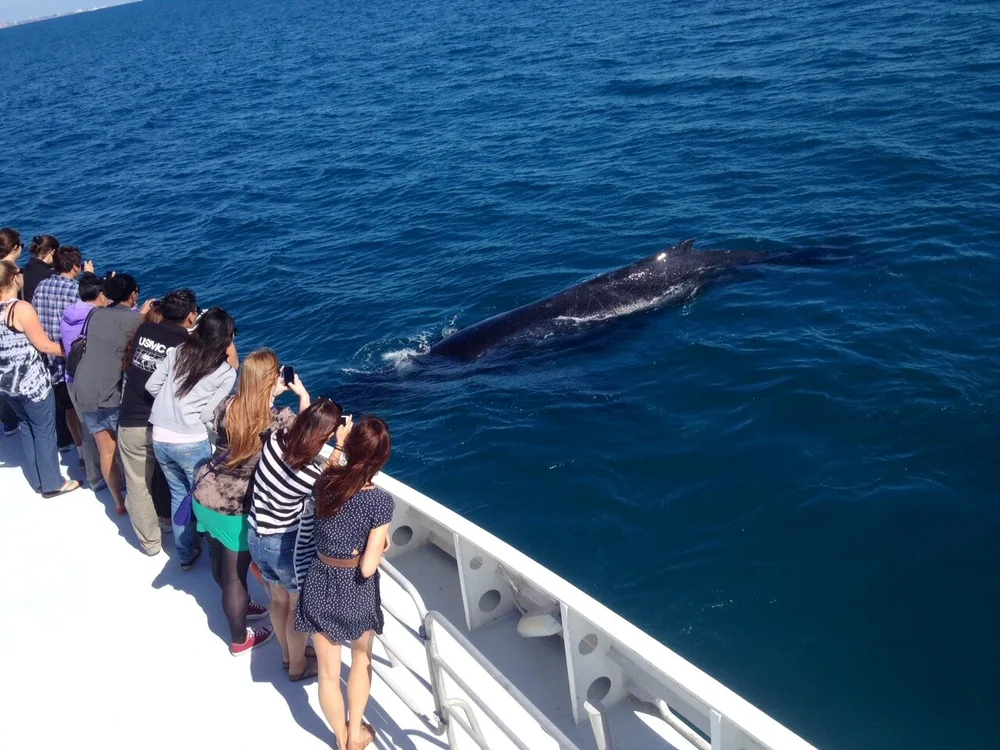
Humpback Whales (September to November)
Spring is the highlight of Perth's whale season, when humpbacks pass the coast on their journey back south to Antarctica. Many are mothers with young calves, resting and travelling at a relaxed pace, which makes for long, rewarding sightings. Tours depart from Hillarys Boat Harbour daily throughout the season.
Pygmy Blue Whales (March to May)
Out in the deep waters of the Perth Canyon, pygmy blue whales gather each autumn to feed on krill, offering a rare chance to see the largest animal on the planet.
Did You Know?
Southern right whales are occasionally seen along Perth's coastline during winter, though they're far more common along WA's south coast. Bottlenose dolphins are also year-round residents of Perth's waters and often make an appearance on whale watching tours.
How to Tell Whale Species Apart
Most whale sightings only last a few seconds at the surface, so knowing what to look for makes a big difference. These are the four clues guides use to identify a whale.
Look at the Blow
Blue whales send up a tall, straight column, humpbacks a short bushy cloud, southern rights a V shape, and sperm whales a blow angled to one side.
Check the Dorsal Fin
Orcas have a tall, upright fin, humpbacks a small hump-like fin, blue whales a tiny fin set far back, and southern rights have no dorsal fin at all.
Watch the Tail
Humpbacks often lift their flukes high before a deep dive, showing the unique pattern underneath. Southern rights and sperm whales raise theirs too.
Note the Behaviour
Breaching and fin slapping usually point to humpbacks, while slow logging at the surface is typical of southern rights and resting mothers with calves.
Planning Your Whale Watching Experience
Many of Australia’s top whale-watching spots are accessible through well-organised local tours that operate seasonally and respect the natural behaviours and habitats of these marine giants. Whether you choose a land-based viewing platform or a boat tour, a knowledgeable guide can provide insights into the unique characteristics and behaviours of each species.
A few simple preparations will help you get the most from your time on the water:
- Book a morning tour when conditions are often calmer and the light is softer for photos.
- Bring layers and a windproof jacket, as it's always cooler on the water than on land.
- Pack sunscreen, a hat and polarised sunglasses to cut glare and help you spot blows.
- Take seasickness tablets before departure if you're prone to motion sickness.
- Have your camera ready and use burst mode to catch breaches and tail flukes.
Watching Whales Responsibly
All whales are protected in Australian waters. Under the Australian National Guidelines for Whale and Dolphin Watching:
- Vessels must stay at least 100 metres from a whale, and 300 metres if a calf is present.
- Within 300 metres of a whale, boats must travel slowly and leave no wake.
- Drones must stay at least 100 metres away from whales.
Whale Watching Perth offers unforgettable whale-watching experiences along Perth’s beautiful coastline. Specialising in humpback whale tours during their annual migration, we provide expertly guided trips with opportunities to see these spectacular creatures up close. Our team is dedicated to eco-friendly, responsible whale watching, ensuring an exceptional experience while respecting the natural environment.
See Humpback Whales Up Close in Perth
Tours depart daily from Hillarys Boat Harbour throughout the season, with a marine biologist on board to guide you through every sighting.